

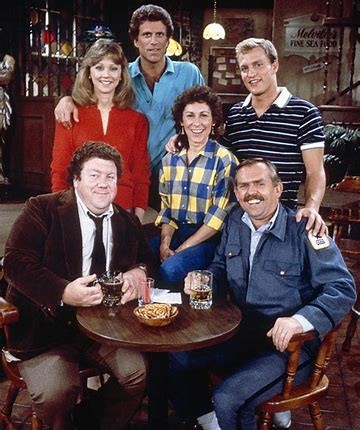
The theme song for the show Cheers, in which a motley crew of friends who spent their free time at the neighborhood bar, included the line, “Where everybody knows your name, and everybody’s glad you came.” When the regulars would arrive after a long day of work, the other regulars would greet them in unison. The various people really didn’t come there for the libations. They came to hang out and spend time with people who cared about them and accepted them. Their relationships were not always free of conflict as they navigated their differences but everyone knew that the others would be there for them if they needed them. As humans, we are social creators and typically join groups we connect with for companionship and acceptance. These groups may include a family, a house of worship, a club with a common interest or a neighborhood.
As often happened in Cheers in order to solicit a laugh, the characters would have conflicts. Sam, self-centered and shallow, would cut down the waitress Carla who would give it right back to him. Diane, Sam’s primary love interest, was both intelligent and needy. She continually battled with her conflicted emotions of attraction and repulsion to Sam. For years, the couple went back and forth trying to overcome their differences and at times, rejecting aspects of the other’s personality. This dynamic created a great tension that kept the audience’s attention wondering what would happen next. This push and pull is common in real life relationships. Couples are attracted to each other, listen attentively to each other as they get to know each other, and stare longingly into each other’s eyes with acceptance and approval. They fall in love, feel elated that they are accepted and known, and eventually marry.
All individuals have unique personalities, strengths and weaknesses so living with another person every day presents a myriad of opportunities to butt heads and reject each other’s ideas. Over time, as couples deal with the stressors of daily life, they listen to each other less and less. They see the other’s weaknesses and have to live with them. They minimize their own weaknesses and experience frustration with their spouse. That person who once accepted them and hung on their every word, now is the person who is disagreeing with them often. That feeling of being known and loved diminishes. If one or both of the partners focus on the other’s flaws too much and do not take responsibility for their own contributions to the problems, then indifference will take root and grow. This indifference eventually leads to contempt and to the desire to no longer be with their partner.
In my next post, I will address some ways to prevent this from happening. Everyone wants to walk in the door as they did in Cheers and have someone really happy to see them. Our spouse may not jump for joy when we come in but we can still feel loved and known if we work on it maintaining this in our marriage.
 REALationships